
Now Reading: Kuwait Towers: Everything You Should Know Before Visiting Kuwait City’s Icon
-
01
Kuwait Towers: Everything You Should Know Before Visiting Kuwait City’s Icon

Kuwait Towers: Everything You Should Know Before Visiting Kuwait City’s Icon

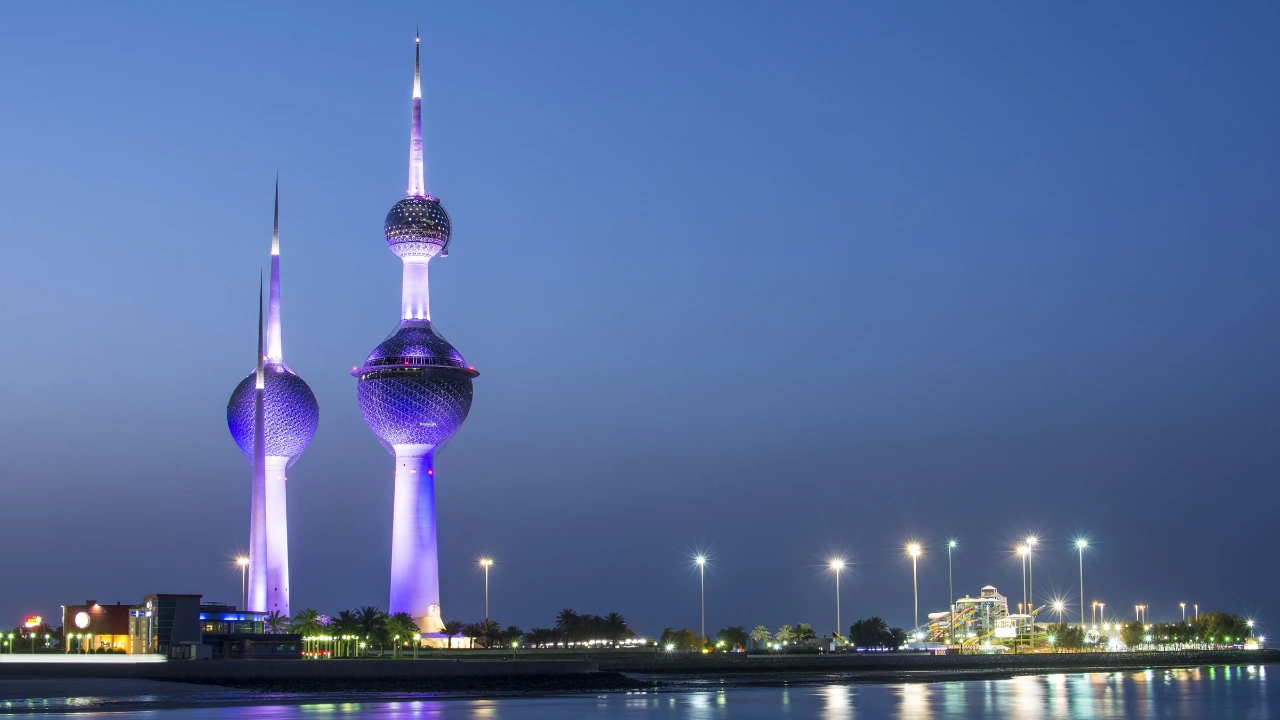
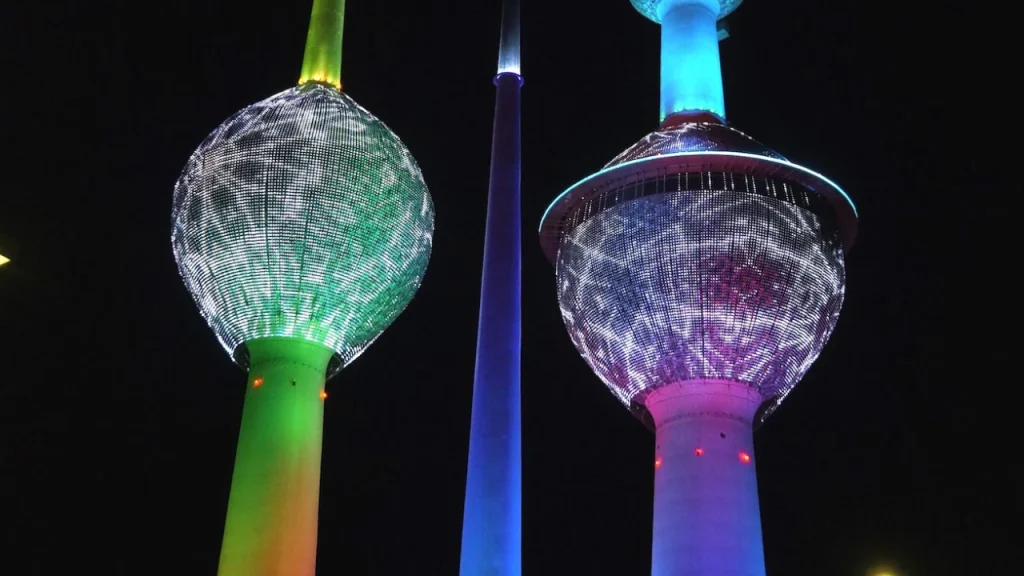
Kuwait City’s coastline is pretty walkable, nothing much catches your eye until you spot them. Three towers right on the water, two topped with these weird spotted spheres that look like they escaped from a different decade. That’s the whole point really. Kuwait Towers has been the country’s go to symbol since the late 70s and people still show up decades later, which is kind of impressive for something that started life as a water tank.
What Are the Kuwait Towers?
Three structures on the Arabian Gulf coast in Kuwait City, built in the 1970s as part of the water system. Funny thing though, only one and a half of them actually hold water. The main tower and the second one do the real job, storing water pumped in from seawater plants, while the third smaller one is basically there to light up the other two at night, nothing more. What started as pure infrastructure somehow turned into one of the country’s biggest tourist pulls. You’ll spot it on postcards, on the currency, pretty much anywhere Kuwait wants to show its face.
Before You Go: Tickets, Hours and Entry
Most people wish they’d checked this before showing up, myself included the first time. Entry depends on where you’re headed. Restaurants, no separate entry fee, you just pay for food. Viewing sphere on its own, small ticket. And if you eat first, some people manage to use their receipt to skip paying again for the viewing deck. Hours run morning to late evening generally, but prices and timings shift around enough that checking with Touristic Enterprises Company beforehand just makes sense.
Getting to the Kuwait Towers
Not complicated. It sits right along the coast, fairly central.
- Taxis and rideshare, easiest option, drop off right at the entrance
- Driving works fine too, parking’s available for restaurant visitors
- Sits on Arabian Gulf Street, so if you’re already on the corniche, easy add on
- Buses run through too, worth checking routes first if that’s your plan
Most people just fold it into a bigger walk along the same stretch anyway.
What Can You Actually Do Once You’re Inside?
Only the main tower’s open to the public. Decent amount packed in for one building though.
- Elevator ride up to the viewing sphere, panoramic views over the city and coast
- The rotating platform up top, turns slowly so you see everything without moving
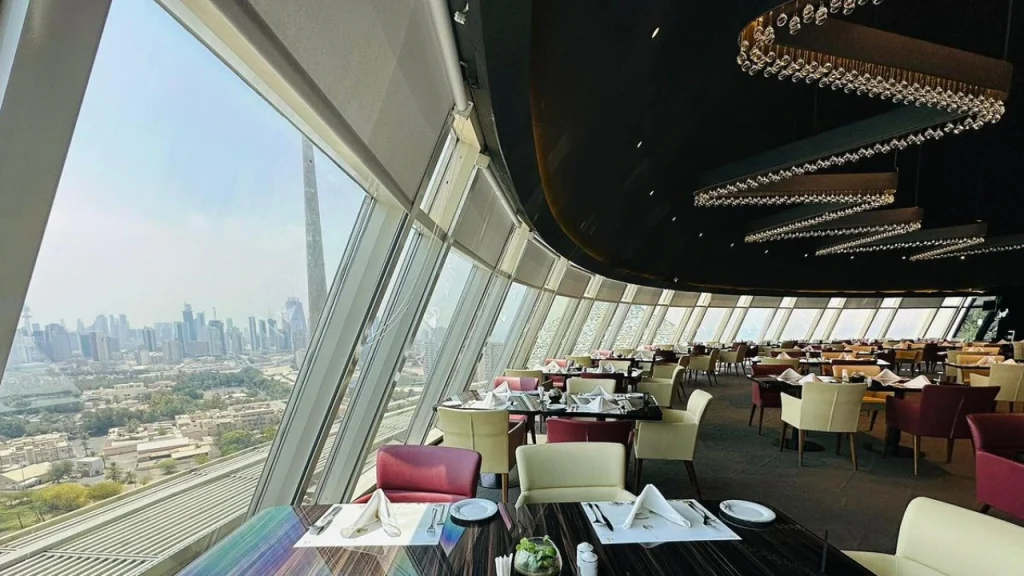
- Restaurants down in the lower sphere, some with water views
- Small souvenir shop near the entrance, postcards, magnets, a few books
- Old coin operated binoculars, still there, still work apparently
Most people spend an hour or two here, not a full day thing. The view up top makes it worth the trip alone, no question.
How Are the Three Towers Different From Each Other?
People assume all three do the same job. Nope.
- Main tower, 187 meters, two spheres. Lower one holds water plus a restaurant, café, lounge and reception hall up top. Upper sphere sits higher still, around 123 meters, and does a full rotation every 30 minutes
- Second tower, about 147 meters, purely a water tower, nothing open to the public inside
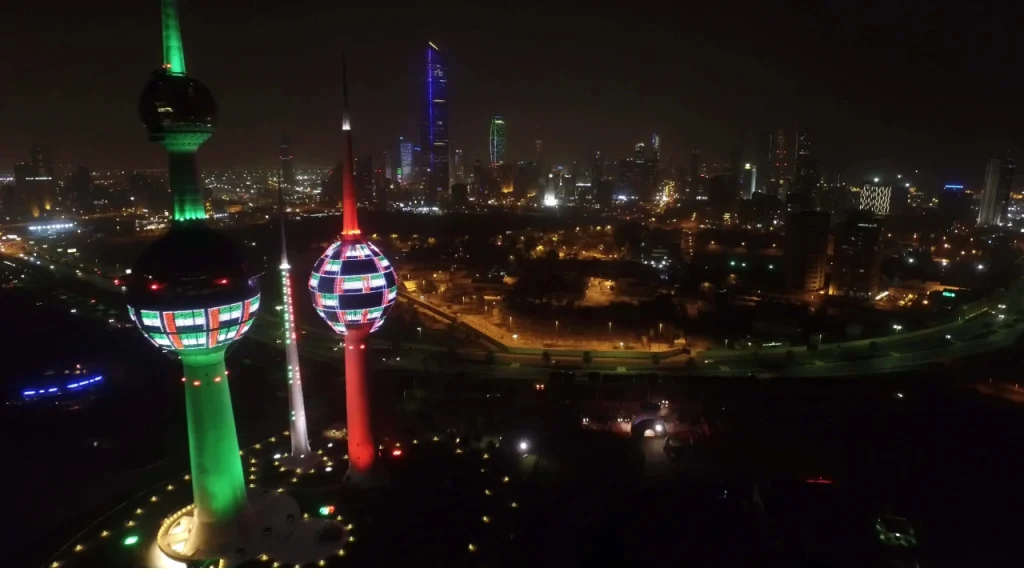
- Third tower, smaller, mostly decorative, its job is lighting up the other two at night
So really only one tower is built with visitors in mind. The other two just do the actual work, dressed up to match the aesthetic.
A Short History Worth Knowing Before You Visit
Built between 1971 and 1976, main tower opened to the public March 1, 1979. A year after that, in 1980, the whole water tower system, this complex included, picked up the Aga Khan Award for Architecture. Fairly big deal in that world.
Then things went bad during the Iraqi occupation, 1990 to 1991. The towers took serious damage, something like 75 percent of the structure, reportedly used for target practice during the invasion. Kuwait rebuilt fast once liberated though, given how much the towers meant symbolically, and they reopened by 1992.
More recently they shut down again from 2012 to 2016 for a full overhaul, restaurants, elevators, all of it. Reopened in March 2016 with a huge fireworks show, which tells you the place still means something to people there.
What Do the Discs and Design Actually Mean?
Get close to the spheres and you’ll see they’re covered in thousands of small enameled steel discs, around 41,000 of them apparently, spiraled across eight shades of blue, green and gray. Supposed to recall old mosque domes from the region. Explains why the whole thing feels more decorative than a water tower has any right to look.
The original architects apparently baked some symbolism in too, humanity and technology, loosely tied to the globe shape of the spheres and the rocket like shape of the towers. Not sure how many visitors actually clock that walking past, but it’s there if you’re curious enough to ask.
Mistakes People Make When Visiting
A few things trip people up here, more than you’d guess.
- Thinking all three towers are open, when it’s really just the main one
- Skipping the check on current hours and prices, since they move around
- Showing up at the hottest part of the day and regretting it fast
- Only doing the viewing deck and skipping the restaurant sphere, missing half the point
None of it ruins a trip. Just makes it smoother if you know beforehand.
Quick Tips Before You Go
- Sunset visits give you the best light and a cooler walk
- Double check hours and pricing before you head out, online info goes stale
- Bring a light jacket for the viewing sphere, breezier up there than you’d think
- Hold onto your restaurant receipt if you’re using it for the viewing deck after
- Pair it with a walk along the corniche for a longer outing
- Photography’s fine mostly, inside and out, bring whatever camera you’ve got
Nearby Attractions Worth Adding to Your Trip
- Liberation Tower, taller, also has an observation deck
- The corniche itself, great for an evening walk with water views
- The Avenues Mall, big shopping spot a short drive off
- Kuwait’s National Museum, for the deeper history dive
Mix in one or two of these and a quick photo stop turns into an actual day out.
FAQs
Are all three Kuwait Towers open to visitors?
No. Just the main one. Second is purely a water tower, third just lights the other two up.
How tall is the main Kuwait Tower?
187 meters, with the upper sphere sitting around 123 meters above sea level.
Is there an entrance fee?
Usually yes for the viewing sphere, restaurants don’t charge separately though. Check before you go since this shifts.
Why do the towers look like they’re covered in discs?
Tens of thousands of enameled steel discs, spiraled on purpose, meant to echo old mosque domes from the region.
Were the towers always used just for tourism? Not at all. Started purely as water infrastructure, storing water from seawater plants. Tourism came later, almost by accident.
Conclusion
Kuwait Towers manage something most landmarks don’t, staying actually useful and actually photogenic at once. Now you know what’s open, what it costs, and why the thing exists in the first place. Go closer to sunset, ride the elevator up, don’t rush it. Been already, or still figuring out when to go? Drop a comment and pass it along to whoever’s planning their Kuwait trip.
Related Posts
Stay Informed With the Latest & Most Important News
Previous Post
Next Post


Advertisement