
Now Reading: Ibn Battuta Mall Dubai: A Complete Guide to the World’s Largest Themed Mall
-
01
Ibn Battuta Mall Dubai: A Complete Guide to the World’s Largest Themed Mall

Ibn Battuta Mall Dubai: A Complete Guide to the World’s Largest Themed Mall

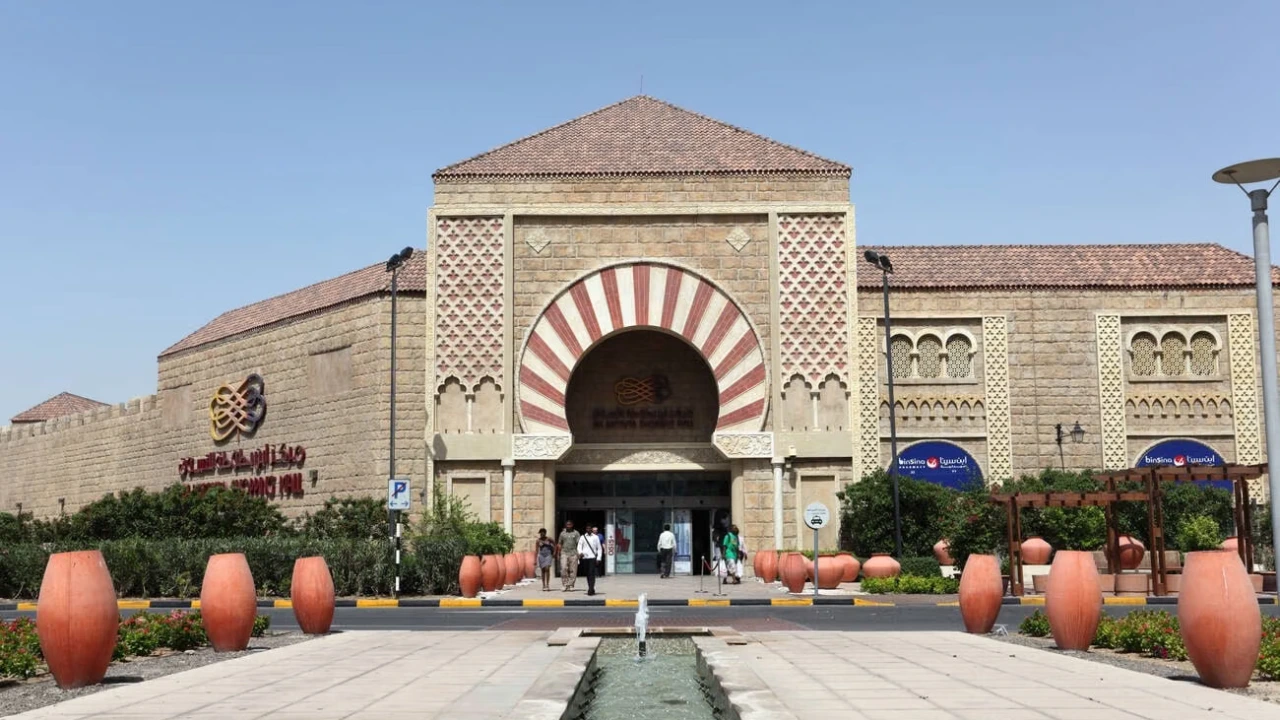
There’s a mall on basically every corner in Dubai, and after the third or fourth one they all kind of blur together in your head. Same marble, same brands, same food court smell no matter which one you walked into. Ibn Battuta Mall breaks that, and not in a subtle way either. Walk from one end to the other and you pass through six completely different worlds, each built around a place the explorer Ibn Battuta actually traveled to, centuries ago. It’s still a mall underneath all that, sure, nobody’s denying that part. But the setting alone makes the trip worth it even if you leave without buying a thing. I’ve dragged friends here just to see China Court with zero shopping list involved, and not one of them complained afterward.
What Is Ibn Battuta Mall?
It sits along Sheikh Zayed Road, out on the Jebel Ali side of Dubai. Opened back in 2005, so it’s been around a while, though honestly it doesn’t feel dated when you’re inside it. Holds the title of world’s largest themed shopping mall, split into six courts, each styled after a region the mall’s namesake passed through on his travels. So rather than one long generic hallway, you walk through Andalusia first, then Tunisia, then Egypt, and it just keeps going from there. The architecture shifts as you move through. Domes change shape. Colors change. Even the lighting feels different court to court, small thing, but you notice it once you’re paying attention.
Who Was Ibn Battuta and Why Is the Mall Named After Him?
He was a Moroccan scholar and explorer, born in the 14th century, who traveled a lot more than most people of his time ever managed. Large parts of Africa, the Middle East, India, China, spread across roughly 30 years on the road, which honestly is longer than most people spend in one job today. His journey eventually got written down in a travel account called the Rihla, and that’s basically where most of what we know about the whole thing comes from.
The mall borrows his name and, loosely, his route too. Each court stands in for one stop along the way. The developers clearly leaned into that pretty hard with the design, this wasn’t just a name slapped on a building for branding purposes. The theme actually runs through the whole layout, court after court, and it shows once you’re walking through it.
The Six Themed Courts Inside the Mall
Each court has its own personality, genuinely, not just a different paint job pretending to be a theme.
- Andalusia Court, styled after Moorish Spain, detailed archways, a courtyard feel running through most of it
- Tunisia Court, warmer colors, parts of it built to feel like a souk
- Egypt Court, a large obelisk sitting in the middle, hieroglyph style decoration wrapped around it
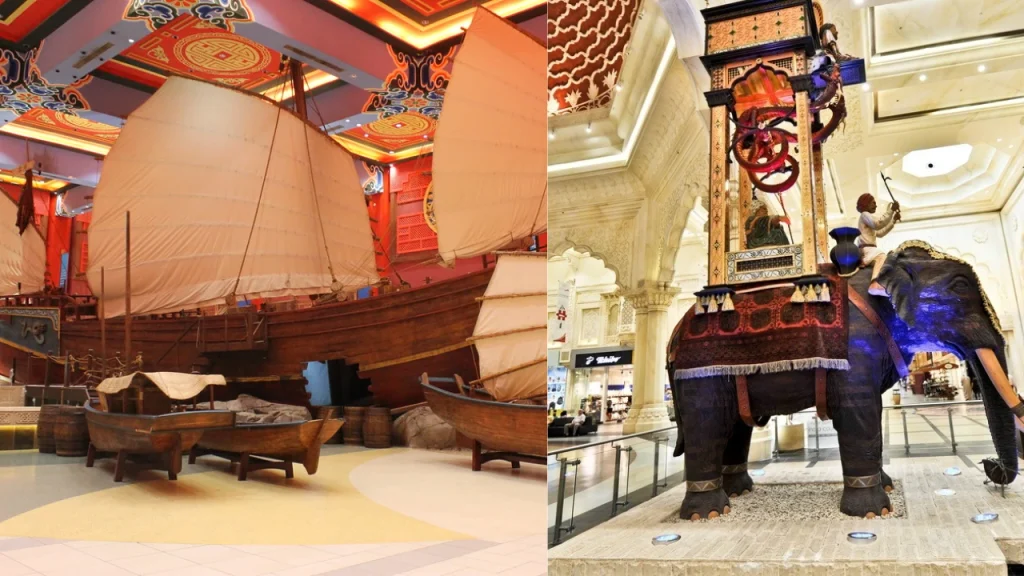
- Persia Court, home to a giant replica of the elephant clock, kind of a nod to old Persian and Islamic engineering
- India Court, domed ceiling, design pulling heavily from Mughal architecture
- China Court, probably the most photographed spot in the whole mall, a huge glass dome overhead and a full scale replica of a Chinese junk ship sitting right underneath it
Walk through all six back to back and the scale actually hits you. Photos alone just don’t do it, not even close honestly.
What Can You Do Inside Ibn Battuta Mall?
There’s more going on than just shopping here, even if that’s the main draw for most people who walk through the door.
- Catch a movie at the multiplex, including a few large format screens for the bigger releases
- Eat at one of the many restaurants scattered through the courts, everything from quick fast food to a proper sit down meal
- Grab groceries or everyday stuff at the Carrefour hypermarket
- Take photos under the dome in China Court, everyone does this, no shame in it whatsoever
- Walk through slowly and actually look up. The architecture works as its own free attraction if you let it
Families tend to treat this as a half day thing rather than some quick in and out run. The layout kind of nudges you into that pace whether you planned for it or not, you just end up slowing down without really noticing.
Shopping and Dining at Ibn Battuta Mall
The retail mix leans more practical than luxury here, at least compared to some of Dubai’s bigger names. International fashion brands, electronics stores, a big Carrefour, smaller local shops filling the gaps between courts. It’s not trying to go head to head with Dubai Mall on high end labels. That’s just not its lane, and honestly it doesn’t need to be. Different crowd, different purpose entirely.
Food isn’t crammed into one central court like a lot of malls do it. It’s spread out across the building instead. Persia Court and China Court tend to get the busiest on the dining side, with a mix of Middle Eastern, Asian and international options scattered around. Prices land somewhere in the mid range, easier on the wallet than some of the flashier malls closer to Downtown.
How Do You Get to Ibn Battuta Mall?
Not complicated at all, especially if the metro happens to work for your route. If it doesn’t, driving covers you just fine too.
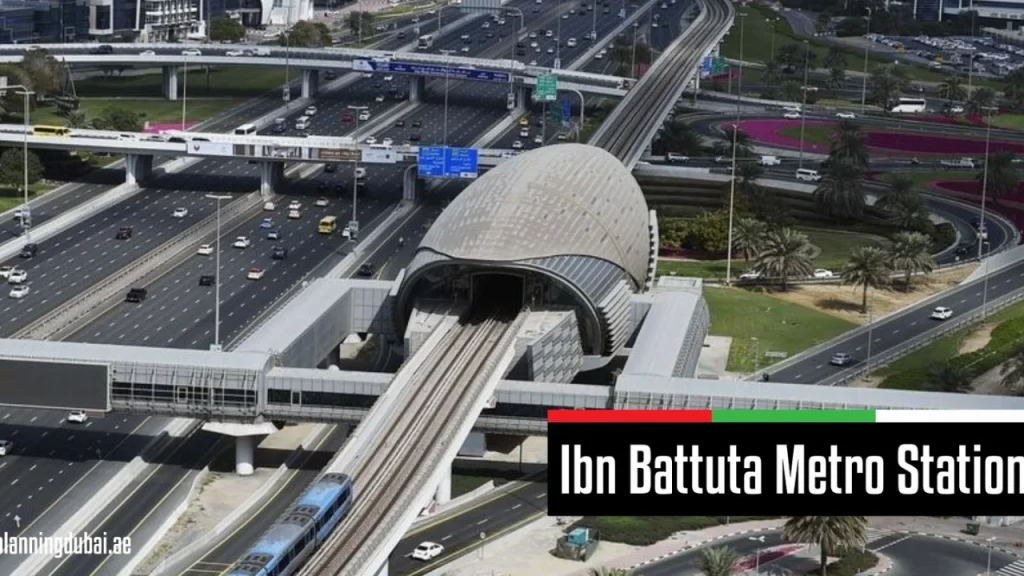
- Ibn Battuta Metro Station on the Red Line connects straight into the mall, honestly one of the more convenient setups in the whole city
- Driving works fine as well, direct access off Sheikh Zayed Road with plenty of parking on site
- Taxis and rideshares drop off right at the main entrances
- A few bus routes stop nearby too for anyone relying on public transport
That direct metro link is genuinely one of the better ones you’ll find in Dubai. Some malls make you walk a good ten minutes from the nearest station. This one doesn’t make you do that.
Opening Hours and Entry
Getting in costs nothing at all. It’s a mall, not a ticketed attraction, worth keeping in mind if anyone tries to sell you an entry pass online somewhere. Hours usually run mid morning through late evening, stretching a bit later on weekends. Worth checking the official page before you actually head out though, since things shift around public holidays and during Ramadan, and nobody wants to show up to locked doors.
Nearby Attractions
A few other spots aren’t far off if you’re already out that way. Worth knowing about even if you weren’t planning on stopping.
- Dubai Marina, short drive, known for waterfront dining and boat tours
- Jumeirah Beach Residence, decent for beach access and the walking promenade
- The Palm Jumeirah, sitting nearby along the coast
- Expo City Dubai, depending on traffic and what time you’re heading over
Pair the mall with one of these and it stops feeling like a shopping errand and starts feeling like an actual day out.
Mistakes People Make When Visiting
A few things trip up first timers pretty often, and most of it’s avoidable if someone just tells you beforehand.
- Assuming it’s close to Downtown Dubai when it’s actually a fair way out toward Jebel Ali
- Rushing through without looking at the architecture, which kind of defeats the whole reason for coming here specifically
- Showing up on a weekend evening expecting it to be quiet. It usually isn’t, not even close
- Skipping cinema showtime checks ahead of time, since the good slots fill up fast on weekends
Small stuff, none of it dramatic. But knowing it ahead of time saves you a headache later, no reason to learn it the hard way yourself.
Quick Tips Before You Go
- Wear shoes you can actually walk in, this place spreads out across six full courts
- Hit China Court early if you want photos without someone else’s elbow sneaking into the frame
- Check metro timings if you’re planning to leave late at night
- Bring cash or a card that works locally, most places take either without a fuss
- Pair your visit with a nearby attraction so the drive out feels worth it
- Watch for seasonal sales, Dubai malls run promotions around shopping festivals fairly often
FAQs
Is Ibn Battuta Mall worth visiting if I’m not shopping?
Yeah, honestly. Plenty of people go purely for the themed courts and the photos, China Court and Persia Court especially get most of the attention.
How do I get there without a car?
Ibn Battuta Metro Station, Red Line, connects directly into the mall. Easiest way in without driving, by a decent margin over other options.
Is entry free?
Yes. Regular mall, you only pay for what you buy, eat or watch once you’re actually inside, same deal as anywhere else.
How long does a visit usually take?
Most people spend two to three hours walking through and grabbing food. Add a movie in and you’re easily at four or five.
Is it far from Downtown Dubai?
Out toward Jebel Ali, so yeah, expect a proper drive or metro ride, longer than some of the more central malls closer to the action. Not far enough to skip, just far enough that you should plan for it.
Related Posts
Stay Informed With the Latest & Most Important News
Previous Post
Next Post


Advertisement