
Now Reading: Museum of Islamic Art Qatar: A Complete Guide to Doha’s Most Striking Landmark
-
01
Museum of Islamic Art Qatar: A Complete Guide to Doha’s Most Striking Landmark

Museum of Islamic Art Qatar: A Complete Guide to Doha’s Most Striking Landmark

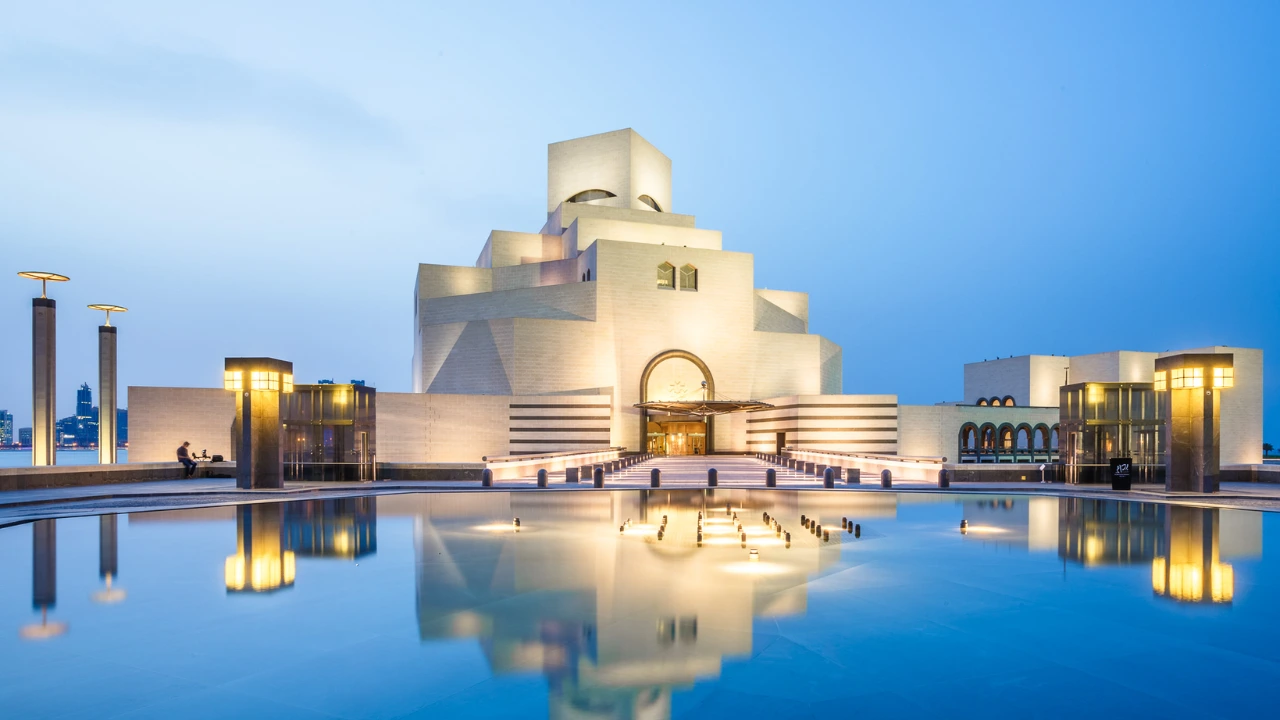
Doha’s grown fast. Glass towers everywhere along the Corniche these days, most of them starting to look alike after a while. But right at the edge of the water there’s a building that doesn’t even try to keep up with any of that. Low, pale, sharp geometry, sitting almost alone on its own little island, like it wants some distance from the skyline behind it. That’s the Museum of Islamic Art. And it holds one of the more serious collections of Islamic art you’ll come across anywhere, not an exaggeration either. First time I saw it from across the bay I actually thought it was some kind of fort, not a museum, that’s how little it resembles the buildings around it. If Qatar’s on your list and you want to get why this place matters, here’s the rundown.
What Is the Museum of Islamic Art?
Most people just call it MIA. Easier than saying the full name every single time. It opened in Doha back in 2008 and holds artifacts spanning something like 1400 years of Islamic art, pulled from three continents, Africa, Asia and Europe. Ceramics, textiles, metalwork, manuscripts, glass, pretty much the whole range, tracing how the art itself shifted and moved across regions over centuries. Qatar Museums runs it. It’s become one of the country’s main cultural landmarks at this point, and not just for tourists passing through either, it carries real weight in the museum world generally too.
Who Designed the Building and Why Does It Look Like That?
I.M. Pei designed the building. Same architect behind the glass pyramid at the Louvre, if that name rings a bell for you. He’d already retired when Qatar came knocking for this one, and he apparently came back out of retirement specifically to take it on, after spending real time studying Islamic architecture across the region first, just to get the shape right.
What he landed on pulls from different periods of Islamic design rather than copying one single building outright. He reportedly studied the ablution fountain of the Ibn Tulun Mosque in Cairo pretty closely while working out the geometry, at least that’s what gets mentioned most often about the design process. The museum sits on its own artificial island just off the Corniche, kept deliberately apart from the rest of the city so nothing crowds its outline against the sky. Smart move, honestly. That separation alone is probably half of why it photographs so well.
What’s Inside the Museum’s Collection?
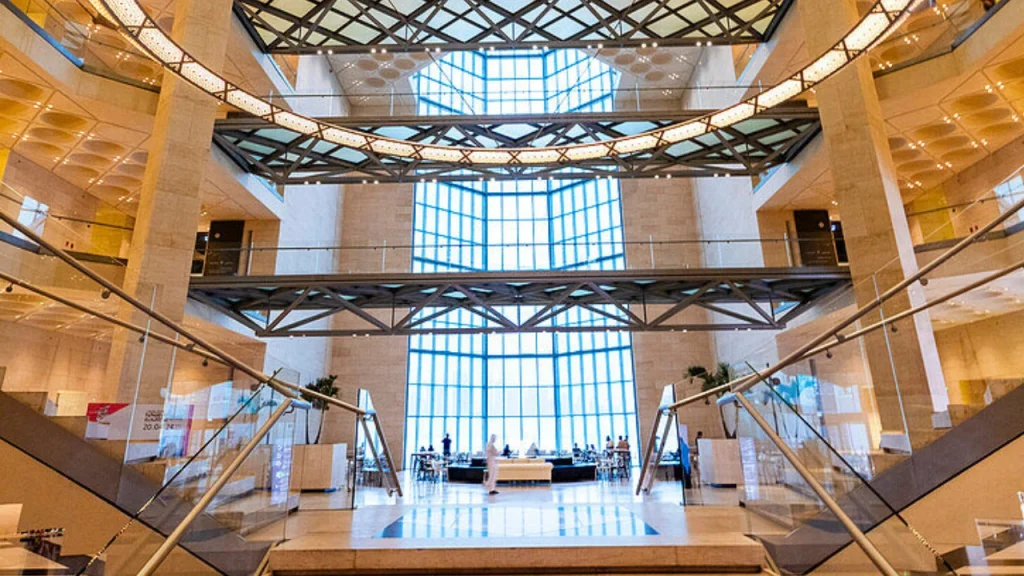
The collection runs wide, genuinely, and it’s laid out so you move through history and geography at roughly the same time as you walk through the galleries.
- Ceramics from Iran, Central Asia and the wider Islamic world spanning several centuries, some pieces surprisingly well preserved
- Textiles and carpets showing detailed patterns and regional weaving styles
- Metalwork, ornate vessels and decorative objects mixed throughout
- Illuminated manuscripts and calligraphy, some pieces centuries old
- Glass and rock crystal objects from different periods of Islamic craftsmanship
- Jewelry and decorative pieces that once belonged to royal courts in various regions
Nothing here feels randomly placed, that’s the part that sticks with you once you’re actually walking through it. Someone clearly thought hard about the sequence. And the way pieces sit next to each other helps you notice connections between regions that traded ideas and craft techniques back and forth over long stretches of time, sometimes centuries apart.
Exploring MIA Park
Right behind the building sits MIA Park, a long green stretch running along the water, easy to walk right past if you go straight from the taxi to the entrance without looking around. Less about art history here, more about just having somewhere to sit, walk, or let kids burn off energy after a couple of hours indoors staring at glass cases.
Walking paths, fountains, open lawn facing the Doha skyline across the bay. That’s basically the setup. Nothing fancy about it, and honestly that’s kind of the appeal. Locals use it just as much as tourists, maybe more, especially in the evening once the heat finally drops off. Pairing the museum with a walk through the park rounds out a trip without needing to plan anything extra around it.
How Do You Get to the Museum?
Getting there isn’t complicated, especially with it sitting right along the Corniche.
- Taxis and rideshare apps are the easiest call, drop off sits right near the entrance, no long walk from the curb
- Doha Metro connects nearby, though you’ll still walk a bit or grab a short taxi to finish the trip
- Driving works fine too, parking’s available on site
- Walking along the Corniche works if you’re already staying somewhere central in Doha
Since the museum sits apart on its own island, the walk across the causeway toward the building is part of the experience really, not just a way to get there.
Opening Hours and Entry
General admission is free. Temporary or special exhibitions sometimes carry their own ticket though, worth knowing before you plan around it. Hours usually run through most of the day, with a midday closure on Fridays for prayer, though this shifts around, so check the official Qatar Museums page before heading over, especially during Ramadan when things tend to move.
Nearby Attractions on the Doha Corniche
A handful of spots sit close enough to fold into the same day out, worth mapping ahead if you like a plan.
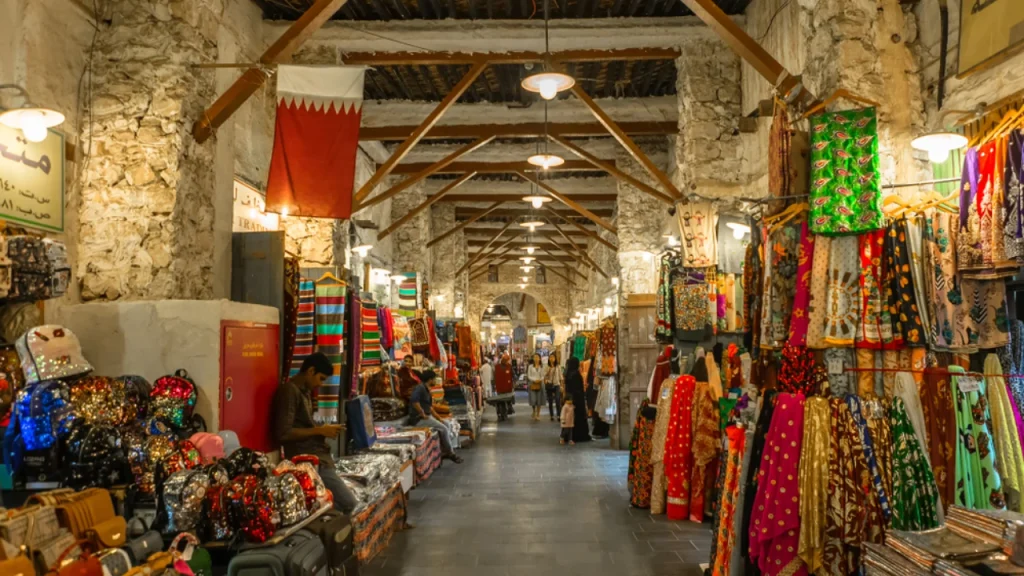
- Souq Waqif, a traditional market known for food, spices and handicrafts
- The Corniche walkway itself, a solid pick for an evening walk with skyline views
- Katara Cultural Village, a bit further along, galleries and performance spaces
- West Bay, Doha’s cluster of modern towers, visible right across the water from the museum
Spend a full day moving between these and you get a decent mix of old and new Doha, without needing much extra planning.
Mistakes People Make When Visiting
A few things catch first timers off guard here.
- Assuming the whole museum fits into under an hour, when the collection really rewards a slower walk through, rushing kind of defeats the point
- Skipping MIA Park entirely, even though it’s right there and costs nothing
- Showing up Friday morning without checking the midday closure first
- Not thinking about dress code, since modest clothing goes over better given the setting
None of it ruins a visit exactly. But knowing beforehand just makes things smoother, saves you a bit of standing around confused at the entrance wondering what went wrong.
Quick Tips Before You Go
- Set aside at least two hours if you actually want to see most of the collection properly, less and you’ll feel rushed
- Go late afternoon for the best light hitting the building’s exterior
- Bring a light layer, the indoor spaces run cold with the AC, colder than you’d expect walking in from outside
- Check for temporary exhibitions before heading over, since these rotate through the year
- Combine it with a walk through Souq Waqif nearby, it’s close enough to make sense
- Photography’s generally fine inside, though flash and tripods often get restricted, worth confirming right at the entrance rather than assuming
FAQs
Is the Museum of Islamic Art free to visit? General admission is free. Special or temporary exhibitions sometimes come with their own separate ticket though.
How long should I plan for a visit? Two to three hours covers most of the permanent collection at a reasonable pace, more if you’re also walking through MIA Park after.
Who designed the museum building? I.M. Pei designed it, pulling from various periods of Islamic architecture rather than copying one single historical building outright. A smart middle ground really.
Is the museum family friendly? Yeah, more than you’d expect actually. MIA Park behind the building gives kids room to run, and the museum itself is manageable for a family visit without feeling like too much.
Is it far from central Doha? Not really. It sits right along the Corniche, close to Souq Waqif, easy enough to reach by taxi, car or a short walk depending on where you’re staying.
Conclusion
The Museum of Islamic Art gives Doha something the newer skyline just can’t offer on its own, a sense of depth and history sitting behind all the glass and steel. Between the building itself, the collection inside, and the park wrapped around it, one visit covers architecture, history, and a bit of quiet time by the water, all in one stop. That’s more than most museums manage, honestly. Go slow, don’t rush the galleries, and leave room for the park after. Been there already, or still planning your first trip to Doha? Drop a comment and share this with anyone putting together their Qatar itinerary.
Related Posts
Stay Informed With the Latest & Most Important News
Previous Post
Next Post


Advertisement