
Now Reading: Wembley Stadium: A Visitor’s Guide
- 01
Wembley Stadium: A Visitor’s Guide

Wembley Stadium: A Visitor’s Guide

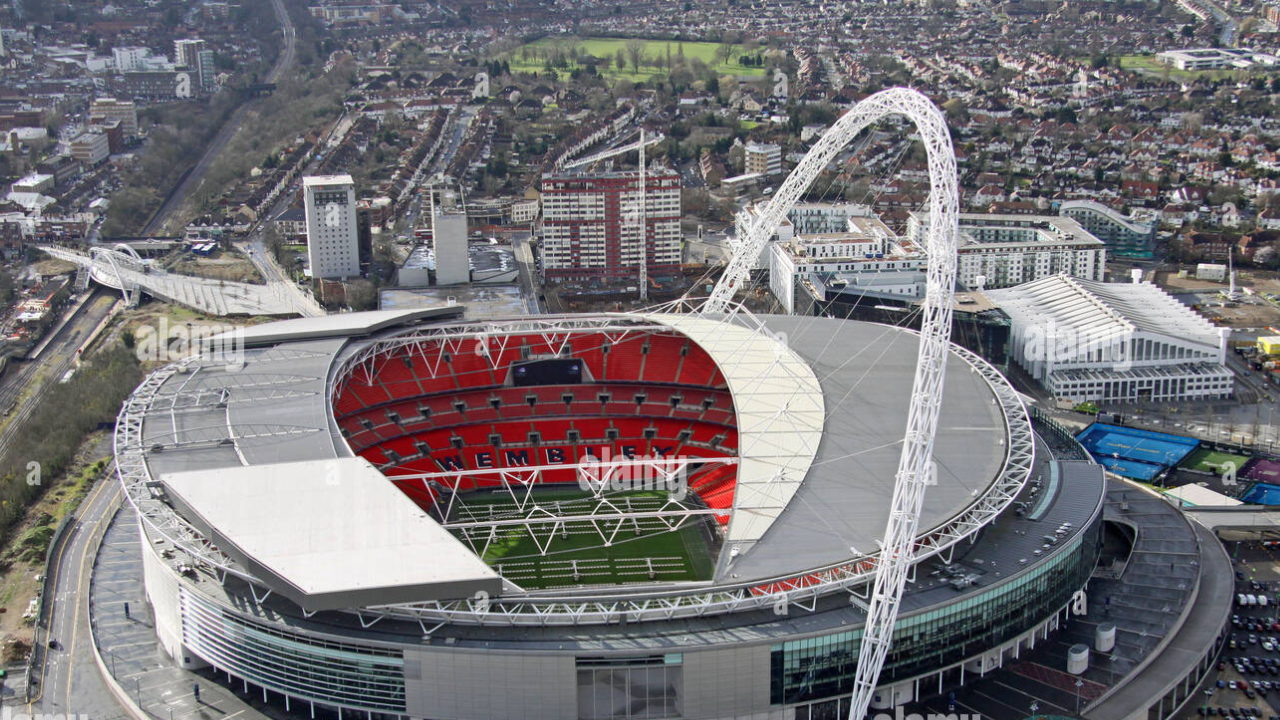
You spot it from way across London before you even get close. That huge white arch curving up into the sky over the northwest side of the city. Wembley Stadium isn’t just a football ground, it’s basically shorthand for English football itself, the place every kid kicking a ball around a park somewhere dreams about playing at one day. Match, concert, or just curiosity about the building, here’s what’s actually worth knowing.
What Is Wembley Stadium?
The national stadium of England, sitting in Wembley Park, northwest London. Home ground for the England national football team, and the venue for finals that actually matter, FA Cup Final, League Cup Final, playoff finals deciding who gets promoted between divisions. Holds around 90,000 people, largest stadium in the UK, one of the biggest in Europe. Not just football either. Concerts, NFL games, all kinds of major events land here too, more than most stadiums this size ever host.
A Short History, Old Wembley to New Wembley
The original Wembley opened way back in 1923, and it became legendary on its own, World Cup finals, FA Cup finals, decades of English football history under those old twin towers people from that era still bring up.
That building came down in 2003, and the current stadium opened in 2007 on the same site. Totally different look, honestly barely recognizable as the same site if you didn’t know better. No more twin towers, replaced by that arch everyone recognizes now. Construction ran into delays and cost overruns along the way, happens with projects this size, but once it opened, it settled in fast as the new home of English football.
What’s the Deal With That Arch?
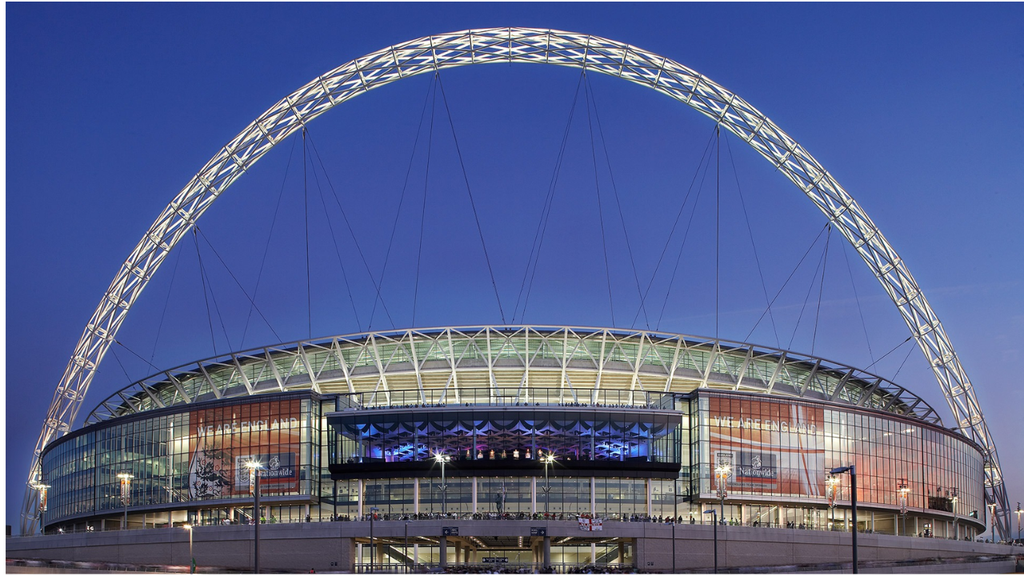
134 meters tall, and it’s not just there for looks. Actually helps support part of the roof structure, working almost like a giant suspension cable holding weight rather than just sitting there decoratively. Designed by Populous and Foster and Partners, and honestly it’s become the stadium’s whole identity at this point, visible from miles away depending where you’re standing in London.
Lit up for a big match or just sitting there on some random Tuesday, that arch is what most people picture the second Wembley comes up in conversation.
What Events Happen at Wembley Beyond Football?
Football gets most of the attention, sure, but the calendar covers way more.
- NFL London games, bringing American football across the Atlantic for a handful of matches each season
- Major concerts, with some of the biggest touring artists in the world booking multiple nights here
- Rugby league finals and other major rugby fixtures
- Boxing events, including some genuinely massive title fights over the years
- Occasional other sporting events needing a stadium at this scale
Basically, if an event needs 90,000 seats and a stage London wants to show off, Wembley tends to be near the top of the list.
Can You Visit Without a Match Ticket?
Yes, and plenty of people do exactly this instead of waiting around for a match or concert to line up with their trip.
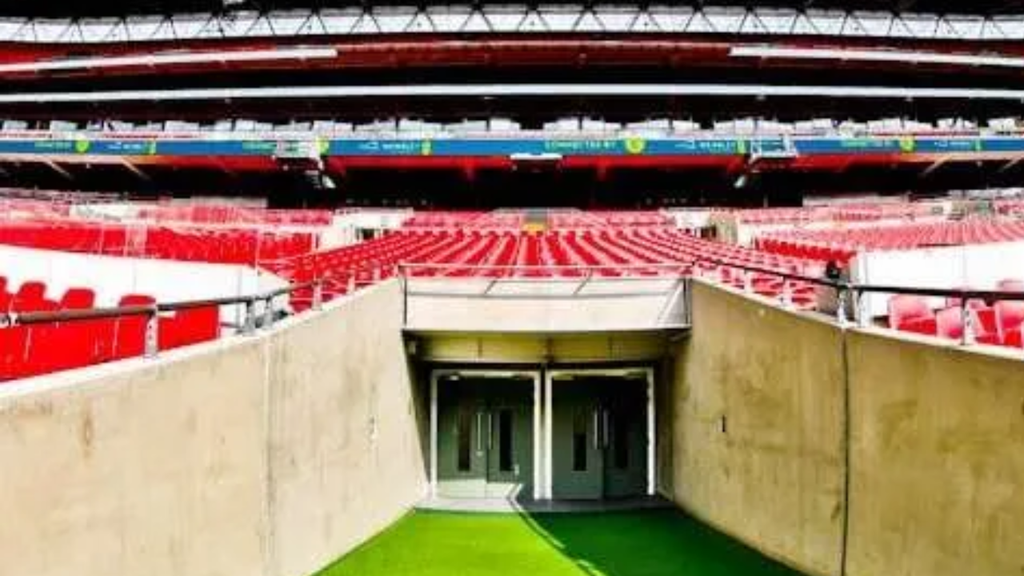
- Book a stadium tour, gets you through areas like the changing rooms, players’ tunnel and pitch side that regular ticket holders never see
- Check out the on site museum sections covering the stadium’s history and English football more broadly
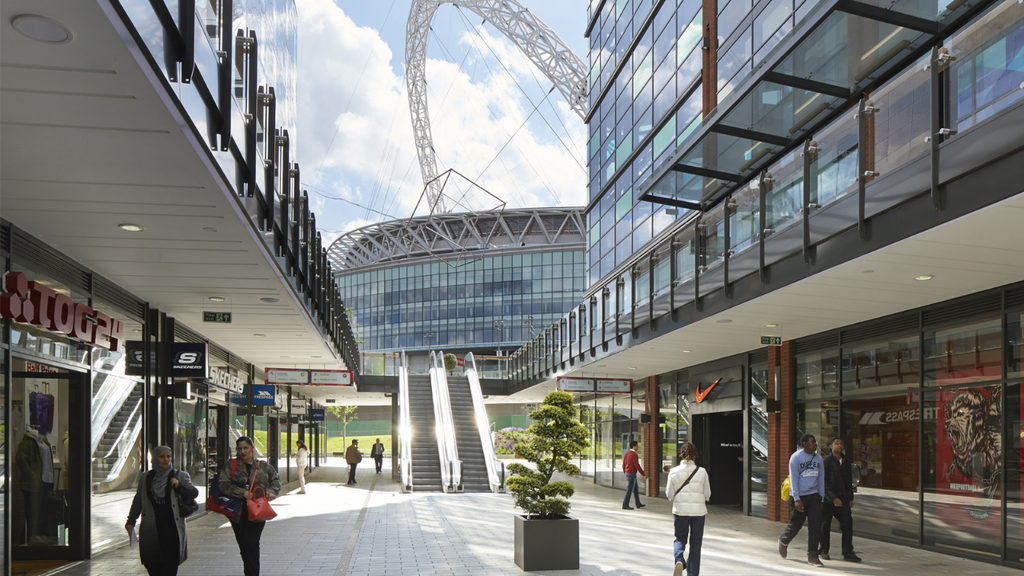
- Wander the Wembley Park area around it, which has its own shops and restaurants worth checking out
- Some tours combine with matchday experiences if you time a visit around an actual event
Tours mostly run on non event days, so checking the schedule ahead actually matters if that’s the plan, nothing worse than showing up to a locked door.
Getting to Wembley Stadium
Reaching the stadium is genuinely simple thanks to London’s transport setup.
- Wembley Park station on the Jubilee and Metropolitan lines sits a short walk from the entrance
- Wembley Stadium station, served by national rail, offers another direct route in
- Buses run through too, especially useful on matchdays when tube stations get slammed
- Driving’s possible but honestly not recommended on event days, parking fills fast and traffic gets rough
Public transport really is the way here, especially with big crowds moving in and out around events.
Nearby Wembley Park
The area around the stadium’s grown into its own destination beyond just matchdays. London Designer Outlet sits close by for shopping, and the wider Wembley Park development has restaurants, bars and public squares that fill up with fans well before kickoff on big match days. Not just a stadium surrounded by parking lots anymore, not even close to that anymore actually. There’s a real reason to arrive early now.
Mistakes People Make When Visiting
A few things trip up first timers more than you’d expect.
- Cutting travel time too close, crowds around big matches slow everything down near the stadium
- Assuming tours run every day without checking the schedule against event dates first
- Not booking tickets or tours far enough ahead for popular fixtures or big name concerts
- Driving in on a matchday and getting stuck without parking sorted beforehand
None of it ruins a visit completely, but it can turn an easy trip into a stressful one right before kickoff.
Quick Tips Before You Go
- Book tickets or tours well ahead, especially for major matches or big concerts
- Use public transport on event days rather than driving in
- Arrive early for a match, the area around the stadium gets busy fast
- Check the tour schedule if visiting on a non event day, tours don’t run daily
- Bring layers, it’s an open air stadium and English weather does whatever it wants
- Combine your visit with Wembley Park’s shops and restaurants for a fuller day out
FAQs
How big is Wembley Stadium?
Around 90,000 people, largest stadium in the UK, one of the biggest in Europe.
Is the current stadium the original Wembley?
No. The original opened in 1923, came down in 2003. Current stadium opened in 2007 on the same site.
Can I visit without attending an event?
Yeah. Stadium tours run on non event days and take you through areas regular fans never see.
What’s the arch for?
Stands 134 meters tall and actually helps support part of the roof structure, not just decorative.
What’s the best way to get there?
Public transport, specifically Wembley Park station on the Jubilee and Metropolitan lines, easiest and most reliable, especially on event days.