
Now Reading: Famous Landmarks: Quick Facts, Best Time to Visit and Official Links
- 01
Famous Landmarks: Quick Facts, Best Time to Visit and Official Links

Famous Landmarks: Quick Facts, Best Time to Visit and Official Links

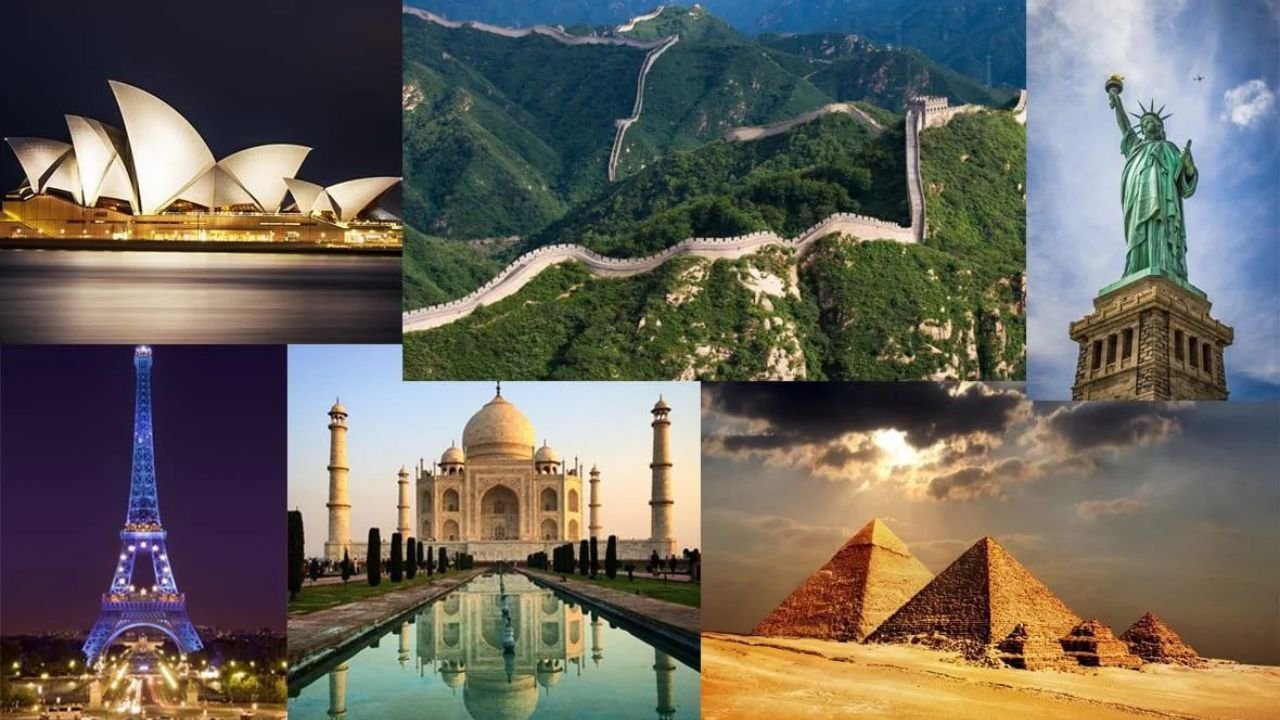
Some places stop you mid-step. The Eiffel Tower does. So does the Taj Mahal. Millions of people show up at these famous landmarks every year, and honestly, it’s easy to see why.
This guide is short on purpose. You get two lookup tables, a few notes on each site and official links so you can check the details yourself. Planning a trip? Good. Just curious? Also good.
One warning before we start: ticket rules, prices and opening hours change a lot. Check the official website before you book.
What Makes a Place a Famous Landmark?
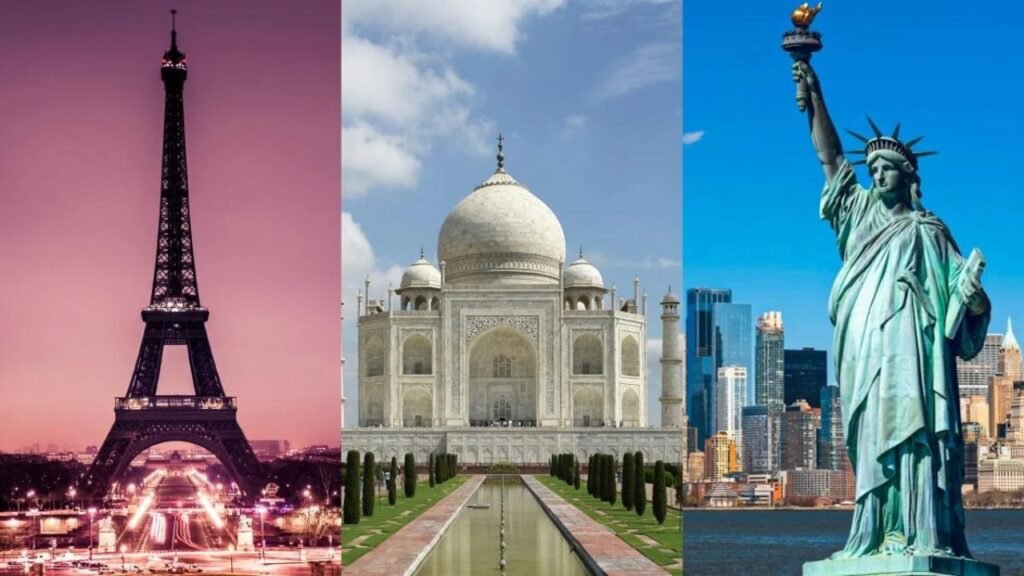
A landmark is a building, monument or natural spot that people can name on sight. It usually stands for a city or a country. Think of the Statue of Liberty. You can already see it, right?
Looks alone don’t do the job though. Most landmarks carry history, or great design, or deep meaning for the people who live nearby. Many also sit on the UNESCO World Heritage List, which protects places of global value.
What do they share?
- A look you can’t mistake for anything else
- A tie to history or to a well-known person
- Cultural or religious meaning for a community
- Smart design or engineering for its time
- A story that travelers keep telling
Which Famous Landmarks Should You Know First?
Here’s a quick facts table. Screenshot it if you like. The last column links to the official page or the UNESCO listing.
| Landmark | Location | Built or opened | Known for | Official or UNESCO link |
| Eiffel Tower | Paris, France | 1889 | Iron lattice tower built for the World’s Fair | Official site |
| Taj Mahal | Agra, India | Completed around 1653 | White marble tomb built by Shah Jahan | UNESCO page |
| Great Wall of China | Northern China | Built over many centuries | One of the longest ancient defense structures | UNESCO page |
| Colosseum | Rome, Italy | 80 AD | Giant arena for gladiator shows | Official park site |
| Machu Picchu | Cusco region, Peru | 15th century | Inca citadel high in the Andes | UNESCO page |
| Statue of Liberty | New York, USA | Dedicated 1886 | Gift from France and a symbol of freedom | National Park Service |
| Sydney Opera House | Sydney, Australia | 1973 | Sail-shaped roofs by architect Jørn Utzon | Official site |
| Pyramids of Giza | Giza, Egypt | About 4,500 years ago | Royal tombs, including the Great Pyramid of Khufu | UNESCO page |
| Petra | Jordan | Nabataean era | Rock-cut city with the famous Treasury | UNESCO page |
| Badshahi Mosque | Lahore, Pakistan | 1673 | Mughal mosque built under Emperor Aurangzeb | No single official site, check local tourism authorities |
Famous Landmarks in Europe
Europe fits a lot of history into a small space, so it’s a easy first stop for new travelers.
Eiffel Tower, Paris
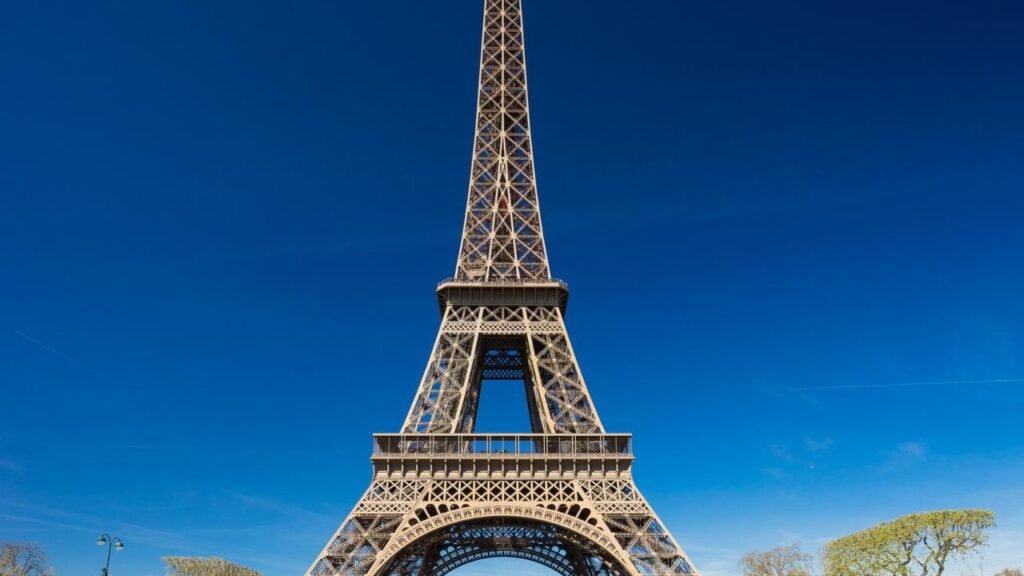
Gustave Eiffel’s company built the tower for the 1889 World’s Fair. It’s about 330 meters tall. Some Parisians couldn’t stand it at first. Now it’s the face of France, which is funny when you think about it.
Buy tickets on the official Eiffel Tower website. Fake sellers do exist.
Colosseum, Rome
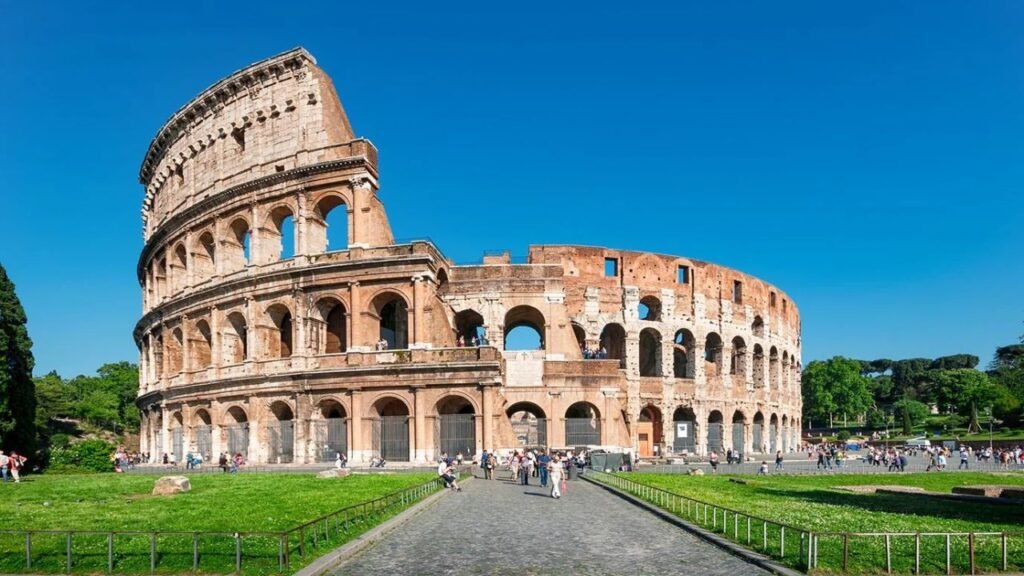
The Colosseum opened in 80 AD, and crowds came for gladiator fights and public shows. It’s still one of the best-kept ancient Roman buildings. You can walk inside and look over the old arena floor area. Tickets and entry rules are on the Colosseum Archaeological Park site.
Famous Landmarks in Asia
Asia has some of the oldest sites on Earth. Some are huge. Others are small but hit you harder.
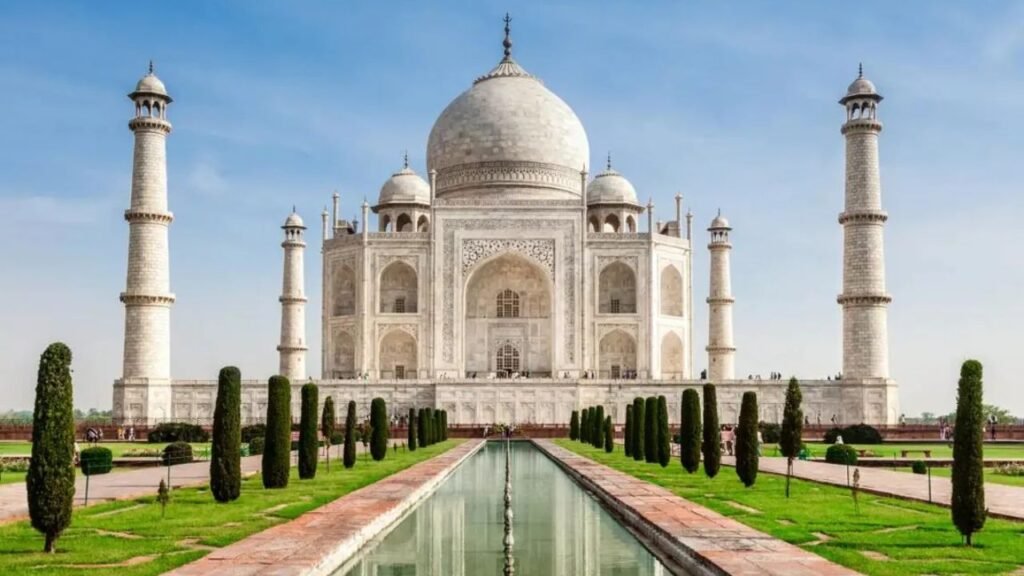
The Taj Mahal sits on the Yamuna River in Agra. Emperor Shah Jahan ordered it after his wife Mumtaz Mahal died. It’s white marble and it changes color with the light, so sunrise looks nothing like noon. Many visitors go early for that. The Archaeological Survey of India runs the site, and the UNESCO listing has the history.
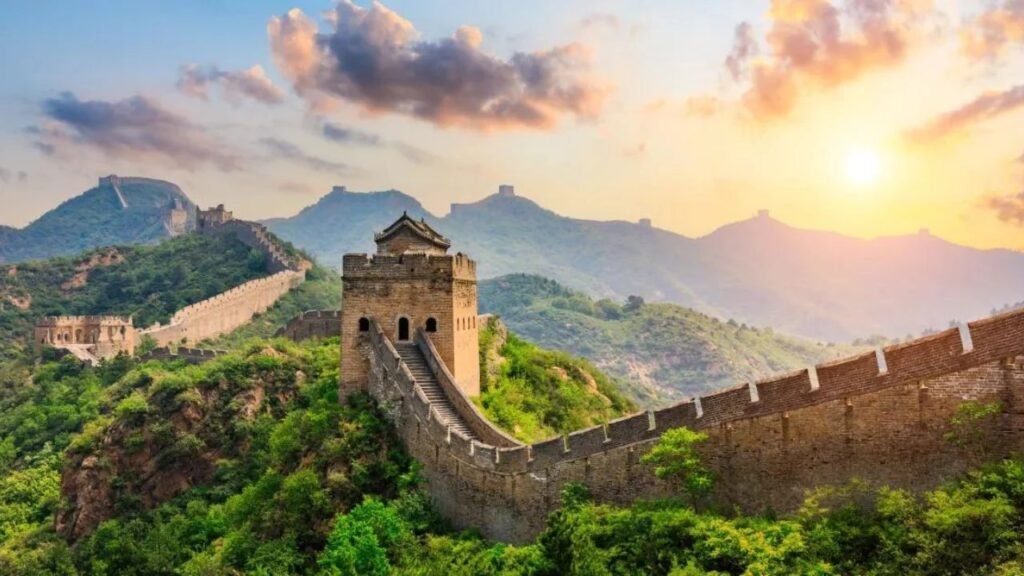
The Great Wall of China isn’t one wall. Different dynasties built different walls over many centuries. Badaling and Mutianyu, both near Beijing, get the most visitors. For background, see the UNESCO page on the Great Wall.
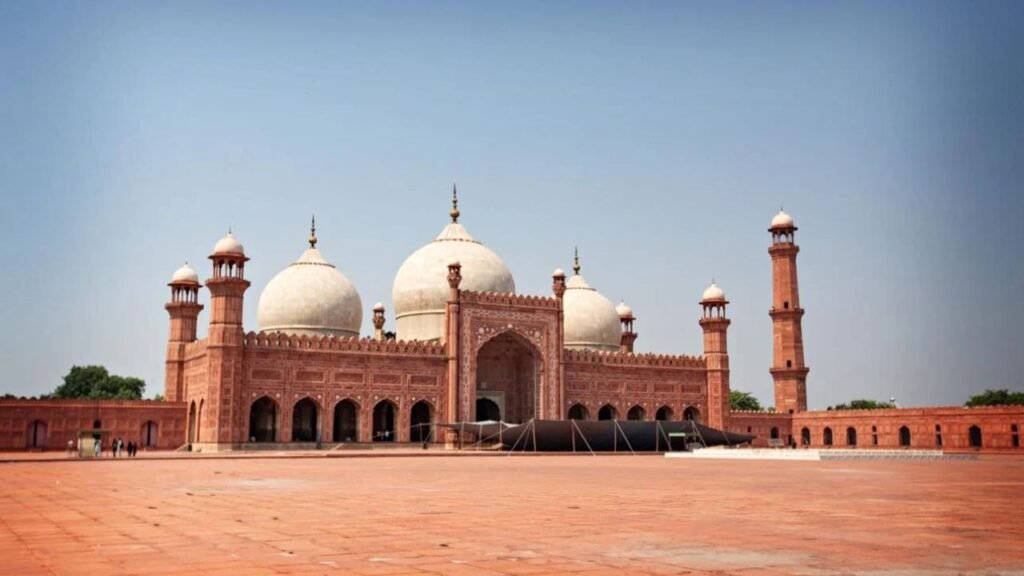
Then Lahore. The Badshahi Mosque shows Mughal design at its best, and Aurangzeb finished it in 1673. The courtyard is huge. It can hold a vast crowd. The Lahore Fort stands close by, and the Lahore Fort and Shalimar Gardens are both on the UNESCO list. You could probably fit all three into one day. Read more on the UNESCO page.
Short list for Asia:
- Taj Mahal for architecture
- Great Wall of China for walking and views
- Badshahi Mosque for Mughal history
- Petra in Jordan for desert scenery (it’s in Western Asia, to be exact)
- Angkor in Cambodia for temples
- Lahore Fort for more Mughal history
Famous Landmarks in the Americas, Africa and Oceania
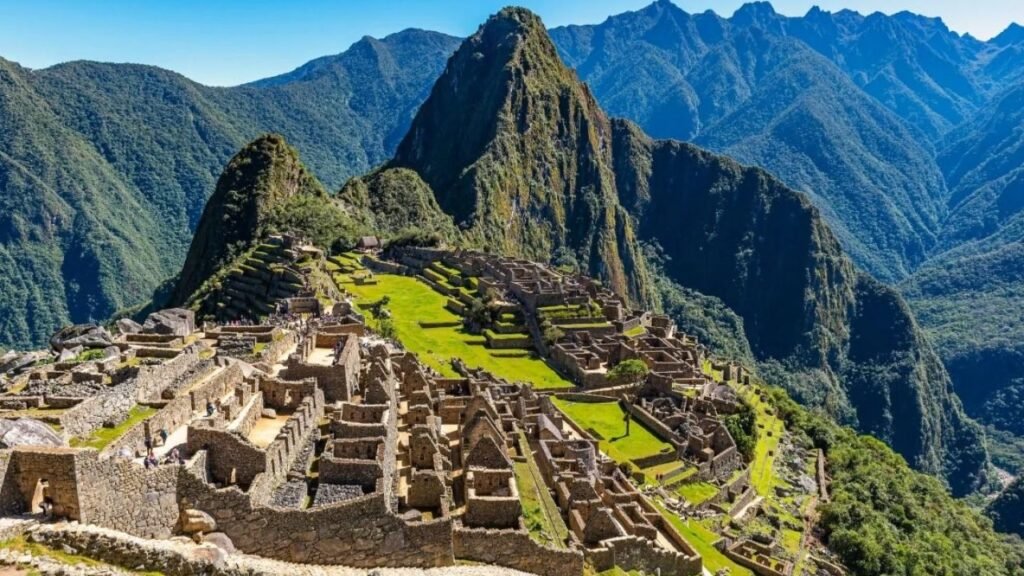
Machu Picchu sits above the clouds in Peru. The Inca built it in the 1400s. It’s a UNESCO site and a favorite with hikers. You need timed entry tickets, so don’t leave it late. Peru’s Ministry of Culture posts updates on the official Machu Picchu website.
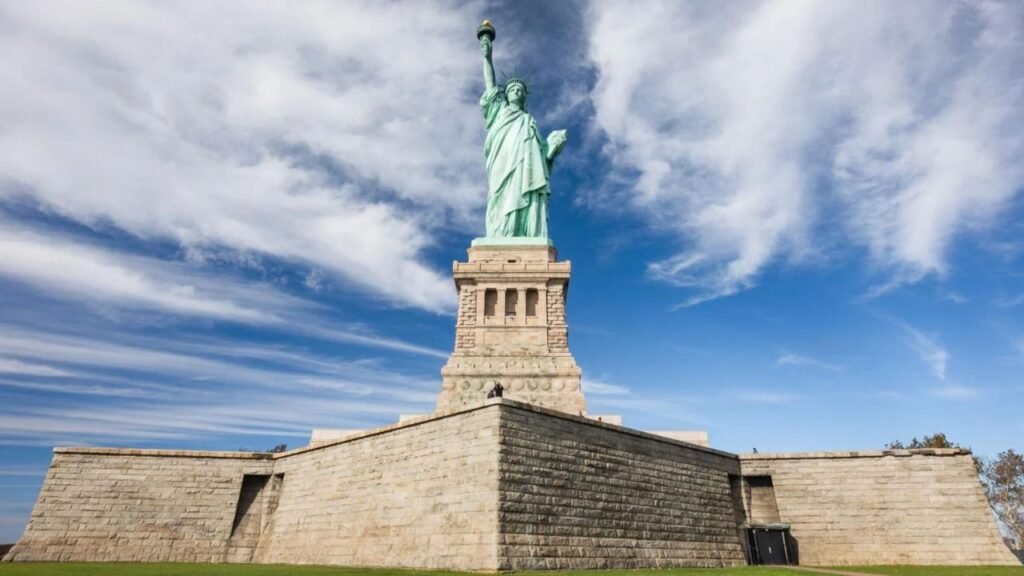
The Statue of Liberty stands on Liberty Island in New York Harbor. France gave it to the United States, and it was dedicated in 1886. Frédéric Auguste Bartholdi designed it. Oh, and Gustave Eiffel, yes the tower guy, designed the inner iron frame. The National Park Service page covers visitor details, and the UNESCO listing explains why it matters.
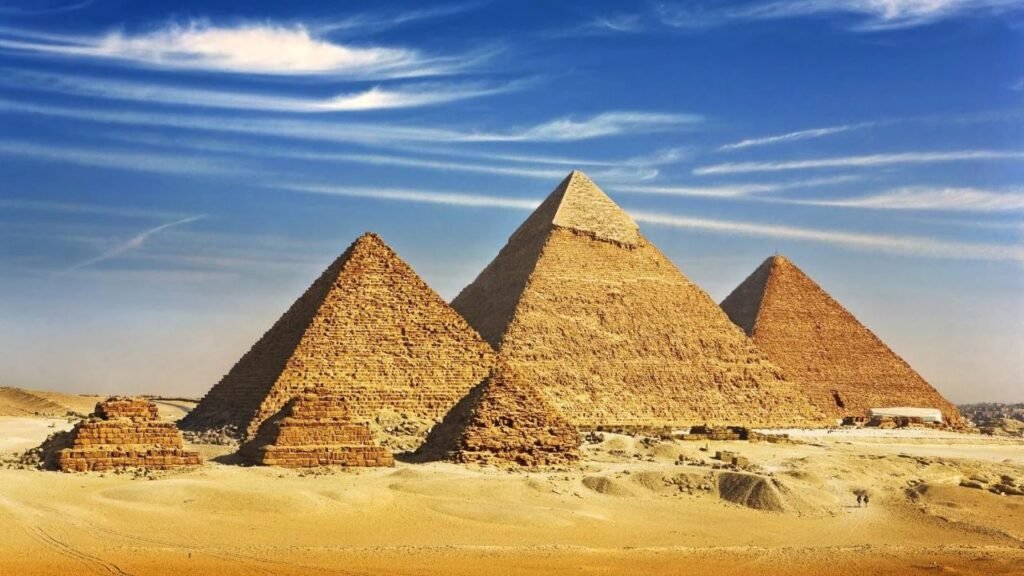
The Pyramids of Giza are Africa’s big name here. The Great Pyramid was built for the pharaoh Khufu about 4,500 years ago. That’s old. Really old. UNESCO lists the area under Memphis and its Necropolis.
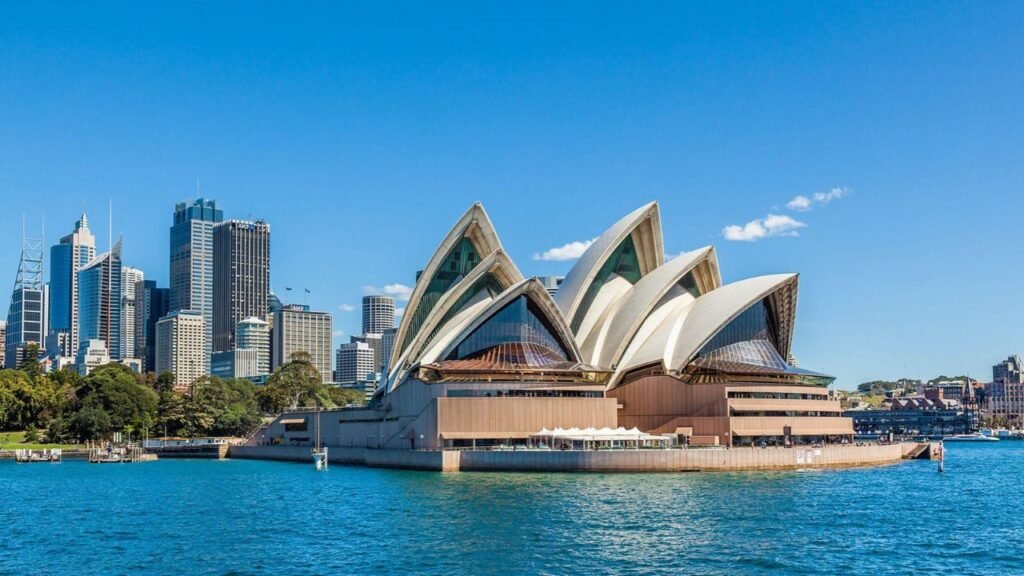
In Australia, the Sydney Opera House opened in 1973. Danish architect Jørn Utzon designed those white sail-like roofs. Concerts and shows run there all year. Check the official Sydney Opera House site for tours, and the UNESCO entry for the design story.
How Do You Plan a Visit to a Famous Landmark?

Planning saves money and a lot of stress. Try this order:
- Pick your landmark and read a little about it.
- Check the official website for hours and closed days.
- Book tickets online if you can. Many sites sell out.
- Pick your dates. Weekdays are often calmer.
- Read your government’s travel advice. US travelers can use travel.state.gov and UK travelers can use GOV.UK foreign travel advice.
- Work out how you’ll get there and where you’ll sleep.
- Pack water and comfy shoes. Charge your phone.
When Is the Best Time to Visit Famous Landmarks?
Timing changes the whole trip. If you remember one thing, make it this:
Go early in the morning or late in the afternoon. Crowds are thinner and photos look better.
Seasons matter too. The table below shows what travelers commonly suggest. Weather changes from year to year, so it’s a starting point and not a promise.
| Landmark | Commonly suggested season | Why |
| Eiffel Tower | Spring or autumn | Milder weather and fewer people than peak summer |
| Taj Mahal | Cooler months, roughly October to March | Summer in Agra gets very hot |
| Machu Picchu | Dry season, roughly May to September | Less rain on the trails |
| Petra | Spring or autumn | Summer heat is hard on walkers |
| Colosseum | Spring or autumn | Easier walking and smaller lines |
A few extra tips:
- Try the shoulder season, just before or after peak summer
- Check the local weather
- Look up holidays and festivals since they fill sites fast
- Watch for closed days, like Fridays at the Taj Mahal, and confirm on the official page
Common Problems Visitors Face and How to Fix Them
Even careful travelers hit trouble. These come up a lot:
- Sold-out tickets: Book early and use official sellers like the Eiffel Tower site or the Colosseum park site.
- Long lines: Arrive at opening time or buy a timed-entry slot.
- Scams near tourist spots: Ignore pushy strangers. Stick to trusted guides.
- Bad weather: Have a backup plan, like a nearby museum.
- Photo rules: Read the sign at the gate. Some places ban tripods or drones.
Dress rules deserve their own line. Mosques and temples often ask for modest clothing, so check before you leave the hotel.
Do Famous Landmarks Get Too Crowded?
Yes. Popular sites like the Eiffel Tower and Machu Picchu fill up fast in peak months, and some places now cap daily visitors to protect the site.
Don’t let that put you off. Good timing and early booking fix most of it. And the lesser-known spots nearby? Often calmer, and sometimes just as good.
Official Links Quick List
Bookmark this one.
- UNESCO World Heritage List
- Eiffel Tower official site
- Colosseum Archaeological Park
- Machu Picchu official site
- Statue of Liberty, National Park Service
- Sydney Opera House
- Taj Mahal on UNESCO
- Petra on UNESCO
- Lahore Fort and Shalimar Gardens on UNESCO
Frequently Asked Questions
What is the most famous landmark in the world?
Nobody has an official answer. The Eiffel Tower, Taj Mahal and Pyramids of Giza are the ones people name most.
How many UNESCO World Heritage Sites are there?
The number keeps growing. The UNESCO World Heritage List has the latest count.
Which famous landmark is the oldest?
Of the ones here, the Pyramids of Giza. About 4,500 years.
Is the Badshahi Mosque a UNESCO site?
As far as I know, the mosque itself isn’t on the list, but the nearby Lahore Fort and Shalimar Gardens are. Check the UNESCO site in case that changed.
Are famous landmarks worth the cost?
Most visitors say yes, mainly when they book early and go at quiet times. Prices differ by country, so check the official site first.
Your Turn: Share Your Favorite Landmark
Which landmark have you visited? Or which one’s on your list? Drop it in the comments. Your tip could save another reader a bad trip. If this guide helped, share it with a friend who loves travel.