

Now Reading: Washington, D.C.: The Capital Where Almost Everything Is Free
-
01
Washington, D.C.: The Capital Where Almost Everything Is Free


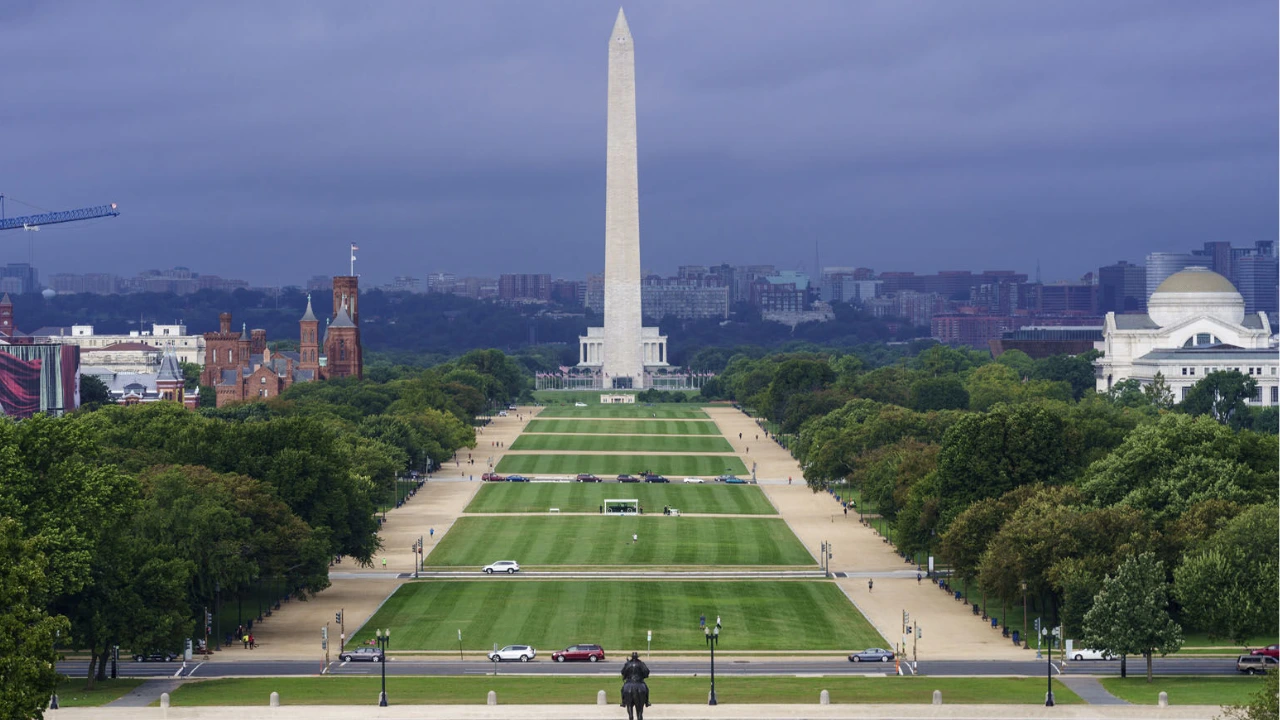
Most capital cities charge admission for their best stuff. D.C. flips that completely, actually. The federal government funds a genuinely staggering amount of what’s worth seeing here, and most of it costs nothing. Seventeen Smithsonian museums. Every monument on the National Mall. The actual Declaration of Independence, sitting behind glass, no ticket required. Free, all of it. That alone changes how you plan a trip here.
What Makes D.C. Different From Other Capitals?
Washington runs on a structural advantage most cities just don’t have. Because the Smithsonian Institution and the National Park Service fund so much of the city’s major attractions, the usual math of “how much will this trip cost” works differently here, honestly. A family can build a multi day itinerary around world class museums and monuments without paying a single admission fee, which is rare even among major world capitals. The city itself stays compact and walkable too, with a Metro system tying most of the tourist core together.
Which Smithsonian Museums Are Actually Free?
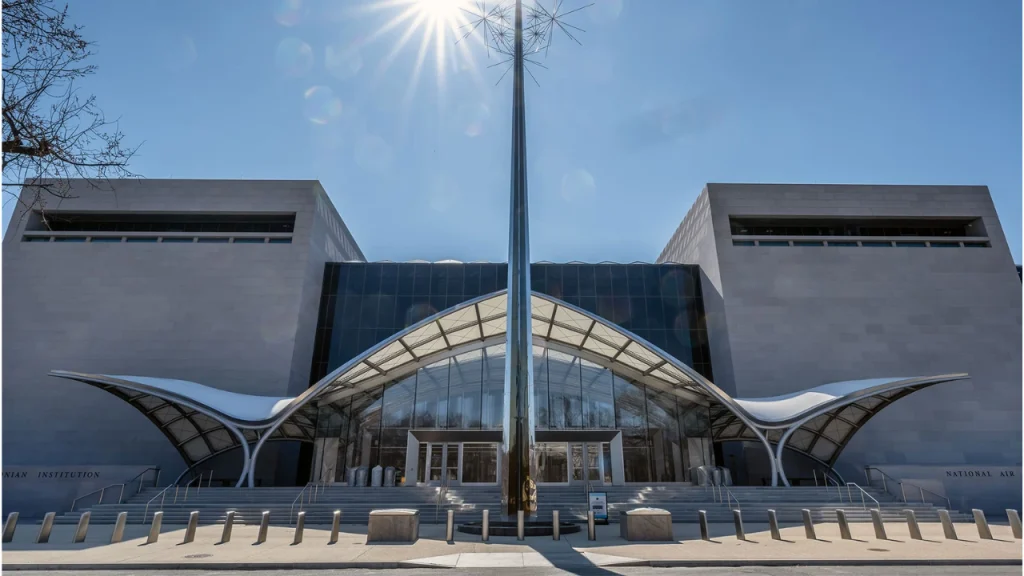
All seventeen Smithsonian museums in D.C. are free, no exceptions on admission price. Most run daily from around 10am to 5:30pm, though three locations need a free timed entry pass booked online ahead of time, given how much demand they pull.
- National Air and Space Museum – home to the Wright Brothers’ Flyer and the Apollo 11 command module. Requires a timed pass
- National Museum of African American History and Culture – also needs advance timed entry given its popularity
- National Zoo – technically Smithsonian run, also needs a free reserved pass
- National Museum of Natural History – walk in freely, no pass needed, home to the Hope Diamond and a full T. rex skeleton
- National Museum of American History – covers everything from pop culture to political history, no pass required either
The National Gallery of Art sits just outside the Smithsonian system technically, but it’s free too, and houses the only Leonardo da Vinci painting anywhere in the Americas. Worth knowing, that one.
What’s on the National Mall?
The Mall itself works as the city’s open air centerpiece, and every monument along it stays free, open 24 hours a day.
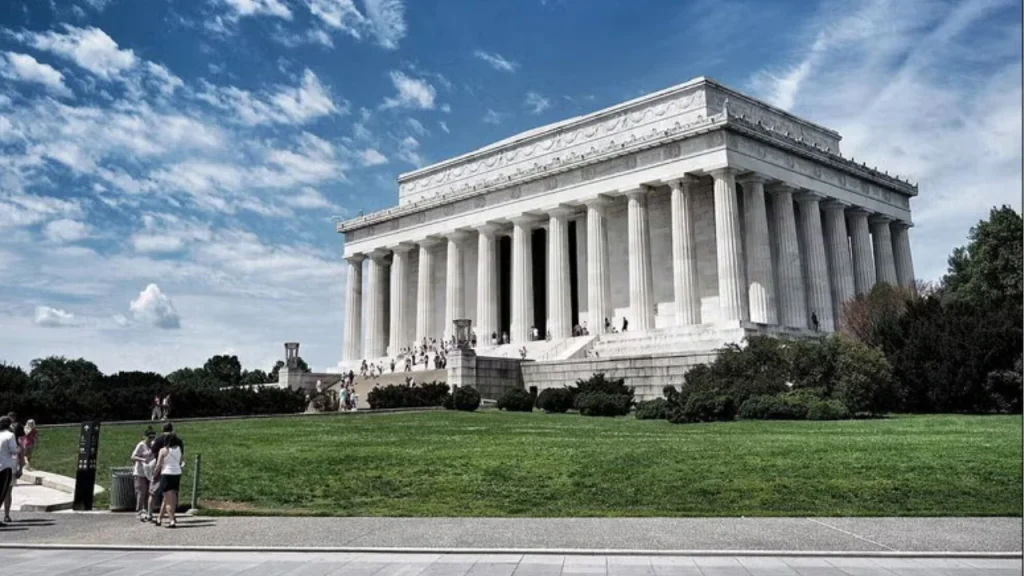
- The Lincoln Memorial, especially worth an evening visit when it’s lit up and considerably quieter
- The Washington Monument, panoramic views, though expect a security line that can run past 30 minutes
- The World War II Memorial, sitting roughly midway between the Lincoln and Washington monuments
- The Jefferson Memorial, a short walk south along the Tidal Basin
- The Vietnam Veterans Memorial, one of the more quietly moving stops on the Mall
Park rangers stay on duty at most monuments until around 10pm, handy if questions come up during an evening walk.
How Many Days Should You Budget?
Three to five days covers D.C. comfortably without feeling rushed. Two days works if you’re only after the highlights, sure. But the sheer number of free museums here means most visitors end up wanting more time than they planned for originally, especially once they realize just how much of it costs nothing.
What Neighborhoods Are Worth Exploring?
Beyond the Mall, a few neighborhoods add real texture to the trip.
- Georgetown – historic streets, waterfront paths along the Potomac, plenty of shopping if you need a break from museums
- Adams Morgan – the city’s most diverse pocket, packed with international restaurants and street art
- Capitol Hill – beyond the government buildings, quiet residential streets and Eastern Market’s weekend vendor stalls
- Dupont Circle – a walkable mix of embassies, bookshops and cafes, good for a slower afternoon
How Do You Get Around?
D.C.’s compact enough that getting around rarely eats up much of your day.
- By Metro – covers most major attractions and neighborhoods, straightforward even if you’ve never used it before
- On Foot – genuinely practical for the National Mall itself, given how central and walkable the whole stretch is
- By Bus – fills in gaps the Metro doesn’t cover directly, particularly useful for neighborhoods slightly off the main tourist path
When’s the Best Time to Visit?
Spring draws the biggest crowds, mainly for the cherry blossoms around the Tidal Basin, typically late March into early April. Fall offers milder weather with noticeably thinner crowds. Summer brings the heat and humidity D.C.’s known for, alongside its busiest tourist season. Winter stays quiet almost everywhere except around major holidays.
Tips Before You Go
A handful of things make the trip smoother.
- Book timed passes for Air and Space, NMAAHC, and the Zoo well before your trip. These fill up during peak season, fast
- Budget somewhere around $40 to $70 a day for food and incidentals, since the big ticket attractions cost nothing
- Wear comfortable shoes. The Mall covers more ground on foot than it looks like on a map, trust me
- Visit major monuments in the evening if you want fewer crowds and better lighting for photos
- Check individual museum hours before visiting, since a few shift slightly depending on the season
Frequently Asked Questions
Are all the Smithsonian museums really free? Yes, all seventeen are free. Three though, the Air and Space Museum, NMAAHC, and the National Zoo, require a free timed entry pass booked ahead.
How many days do I need in Washington, D.C.? Three to five days covers it comfortably, though two days works fine for a highlights only visit.
What’s the best time of year to visit? Spring for cherry blossoms, though it’s also the busiest season by far. Fall’s a quieter, milder alternative if crowds bother you.
Do I need a car to get around? No. The Metro and walking cover most of what visitors need, especially around the National Mall and central neighborhoods.
Related Posts


Stay Informed With the Latest & Most Important News
Previous Post
Next Post



Advertisement